admin
admin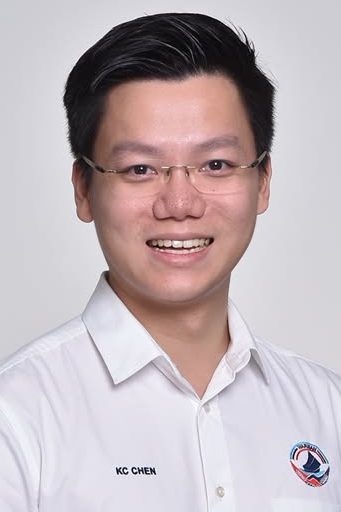
KOTA KINABALU, 4 August 2026: Warisan Supreme Council member Chen Ket Chuin today called on the GRS state government to table a comprehensive Sabah Value-Added Economy Blueprint, saying the State could no longer measure success solely by trade figures while many Sabahans continued to struggle with inadequate basic infrastructure, low wages and limited economic opportunities.
Responding to the recent news report that Sabah trade stays above RM100 billion mark for fourth consecutive year, which cited the Department of Statistics Malaysia’s (DOSM) latest external trade statistics, Chen said the figures painted a picture of both Sabah’s enormous economic potential and its structural weaknesses.
“The report shows Sabah recorded RM105.5 billion in total trade in 2025, remaining above the RM100 billion mark for the fourth consecutive year. Yet many Sabahans continue to endure recurring water disruptions, unreliable electricity supply, deteriorating roads and a shortage of quality employment opportunities.
“The issue is no longer whether Sabah is capable of generating wealth. The real question is how much of that wealth actually remains in Sabah,” he pointed out.

Chen noted that while Sabah maintained a trade surplus of RM9.9 billion, exports fell by 5.9 per cent to RM57.7 billion, while imports rose by 2.8 per cent to RM47.8 billion, resulting in the State’s trade surplus shrinking by one-third compared to the previous year.
He said the composition of Sabah’s exports also highlighted the need for urgent structural reform.
“Mining contributed RM23.2 billion in exports, agriculture RM22.1 billion and manufacturing only RM12.3 billion. Crude petroleum, palm oil and liquefied natural gas remain Sabah’s dominant export products.
“These figures tell us that Sabah is still exporting raw resources instead of higher-value manufactured products. Too much of the processing, refining, manufacturing, profits and skilled employment continue to be created outside Sabah,” he pointed out.
Chen said Sabah’s strategic location should also position the State as the principal economic gateway to BIMP-EAGA, southern Philippines, Kalimantan and the wider ASEAN market, yet this competitive advantage had yet to be fully realised.
He therefore urged the State Government to present a long-term economic transformation strategy with measurable targets. “I call on the State Government to table a comprehensive Sabah Value-Added Economy Blueprint, with clear targets to expand downstream manufacturing, encourage local processing, strengthen export-oriented industries, increase SME participation, modernise ports and logistics, and create more high-skilled jobs for Sabahans.
“Sabah cannot continue measuring success solely by the value of exports while failing to measure how much of that wealth actually stays in Sabah,” he stressed.
Chen said the Blueprint should also include policies to attract greater investment into value-added industries, strengthen technical and vocational education, develop local industrial supply chains andensure that Sabahans were the primary beneficiaries of future economic growth.
He added that the State’s long-standing pursuit of its 40 per cent net revenue entitlement under the Federal Constitution and the Malaysia Agreement 1963 (MA63) should also be viewed as part of Sabah’s broader economic transformation agenda.
“The objective is not simply to generate more wealth. The objective is to ensure that Sabah’s wealth builds Sabah first.
“Sabah should no longer be known merely as a producer of raw commodities. Sabah must become a producer of industries, innovation, skilled employment and lasting prosperity for Sabahans,” he concluded.
新闻稿即时发布
曾国竣:州政府应制定《沙巴高附加值经济发展蓝图》–千亿贸易额必须转化为沙巴人民的繁荣
亚庇,2026年8月4日:民兴党最高理事曾国竣今日呼吁GRS州政府制定一套全面的《沙巴高附加值经济发展蓝图》(Sabah Value-Added Economy Blueprint),强调州政府不能再只以贸易总额作为衡量经济成功的标准,而无视许多沙巴人民至今仍面对基础设施不足、薪资偏低及优质就业机会有限等现实困境。
曾国竣是在回应日前有关《沙巴连续第四年贸易总额突破1000亿令吉》的新闻报道时发表上述谈话。
该报道引述马来西亚统计局(DOSM)最新发布的《沙巴对外贸易统计报告》,他认为,这份数据既反映了沙巴庞大的经济潜力,也暴露了长期存在的经济结构性弱点。他说:”报告显示,沙巴2025年的贸易总额达到1,055亿令吉,连续第四年突破1000亿令吉大关。
然而,与此同时,许多沙巴人民仍长期面对反复断水、电力供应不稳定、道路破损,以及缺乏优质就业机会等问题。”问题已经不再是沙巴有没有能力创造财富,而是这些财富究竟有多少真正留在沙巴。
“曾国竣指出,尽管沙巴去年仍录得99亿令吉贸易顺差,但出口总额下跌5.9%至577亿令吉,进口则增长2 .8%至478亿令吉,导致贸易顺差较2024年的149亿令吉大幅缩水约三分之一。
他说,沙巴出口结构更进一步说明,州经济迫切需要进行结构性改革。”采矿业出口达232亿令吉,农业出口221亿令吉,而制造业出口却仅有123亿令吉。
原油、棕油及液化天然气依然是沙巴最主要的出口产品。”这些数据清楚说明,沙巴至今仍以出口原材料为主,而不是出口高附加值制造产品。
大量加工、提炼、制造、企业利润及高技能就业机会,依然是在沙巴以外创造。
“曾国竣表示,凭借优越的地理位置,沙巴理应成为东盟东部增长区(BIMP-EAGA)、菲律宾南部、加里曼丹及更广泛东盟市场的重要经济门户,但这项竞争优势至今仍未获得充分发挥。
因此,他呼吁州政府提出一套具有明确目标的长期经济转型战略。
“我呼吁州政府制定一套全面的《沙巴高附加值经济发展蓝图》,明确设定目标,积极推动下游制造业发展、鼓励本地加工产业、强化出口导向型工业、提升中小企业参与度、现代化港口与物流体系,并为沙巴人民创造更多高技能、高收入就业机会。
“沙巴不能继续只以出口总额作为经济成功的指标,却没有衡量到底有多少财富真正留在沙巴。”他强调。曾国竣表示,该蓝图也应涵盖吸引更多高附加值产业投资、加强技术与职业教育培训(TVET)、发展本地工业供应链,以及确保沙巴人民成为未来经济成长的主要受益者等政策。
他说,沙巴长期争取联邦宪法及《1963年马来西亚协议》(MA63)所赋予的40%净税收特别拨款,也应被视为推动沙巴整体经济转型的重要组成部分。
他强调:”我们的目标,不只是创造更多财富,而是确保沙巴创造的财富,首先建设沙巴、造福沙巴人民。
“沙巴不能永远只是一个出口原材料的州属。沙巴必须成为一个创造产业、推动创新、培育高技能人才,并为沙巴人民带来长远繁荣的经济体。”